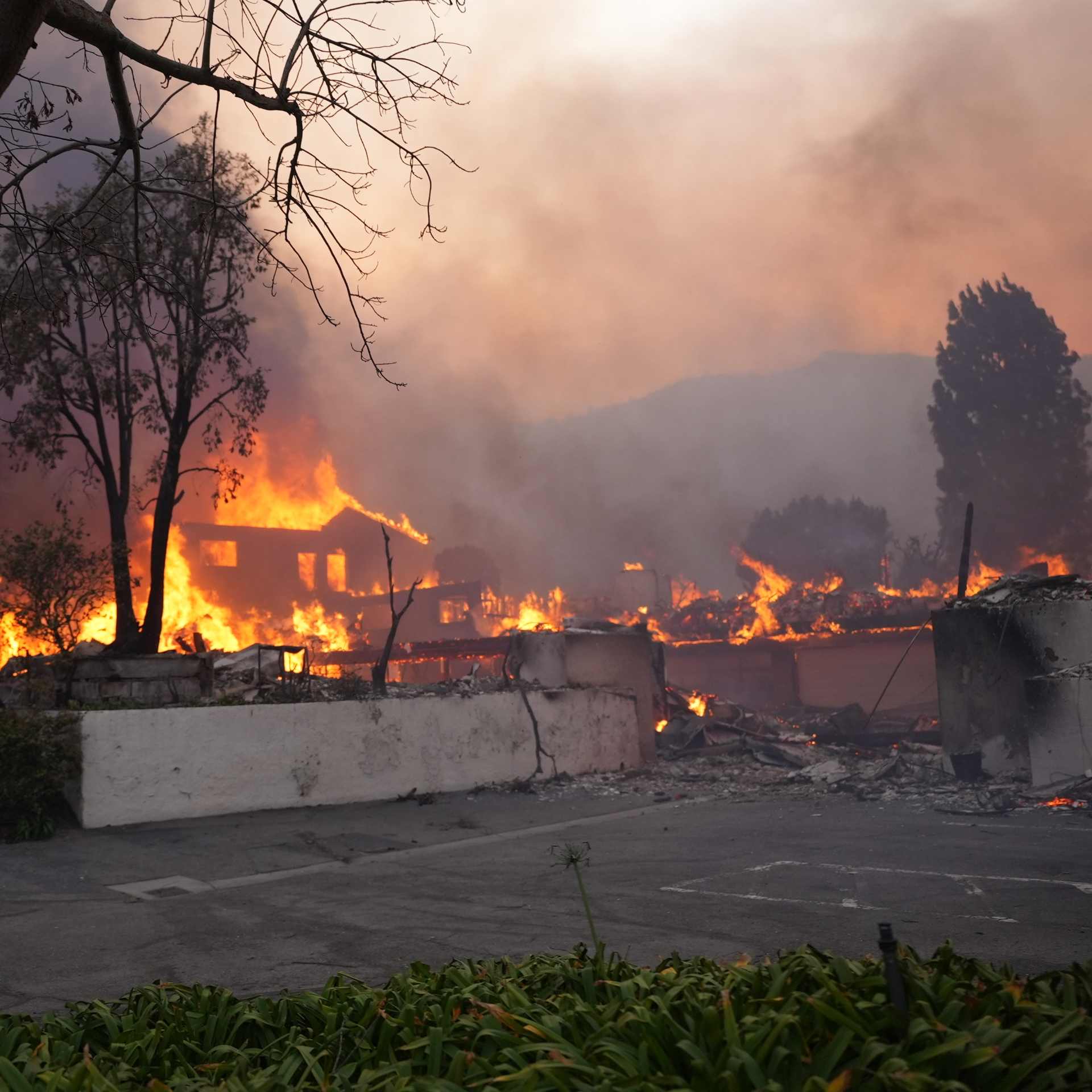
Rebuilding after a wildfire is not something most people ever expect to do. One day your home or business is standing. The next moment, you are looking at what is left and trying to figure out where to even begin.
As a trusted fire rebuild & construction management company , we have faced this personally. Which is why in this guide, we will review the critical phases and help you understand how to start rebuilding after a wildfire. We will cover safety, insurance, debris removal, materials, and the emotional side of recovery that most guides skip entirely.
You do not have to figure this out alone. Let us walk through it together.
Step-by-Step Process for Rebuilding After Wildfire
Step 1 – Immediate safety precautions
For post-fire restorations, you need to first follow the state & local regulations. Because even after the fire has ceased, the risk hasn’t. Flash flooding, falling trees to hidden embers, anything can happen.
Just like you enter a construction site with headgear, gloves & safety measures…you need to follow safety & compliance measures when entering a damaged home or site.
Before entering the property:
- Make sure you have the clearances and requisite permits to enter the premises.
- Wear a dust mask, boots, and gloves.
- Carry a flashlight even during daylight (you will need it inside).
- Drive carefully – roads may have debris, fallen poles, or unstable trees.
- Keep your phone charged and emergency alerts turned on.
- Be ready to evacuate again if needed.
Outside the property:
- Walk the perimeter carefully. Look for smoldering debris on the roof, potholes, gutters, wood piles, decks, and crawl spaces.
- Stay away from anything that looks compromised.
- Check for damaged wires, gas pipes, etc. Do not touch them. Report them immediately.
- Watch for signs of erosion or flood risk, especially if there are burned slopes uphill from the property.
- Watch out for burned areas! They may be hot or unstable so don’t go there.
- Push debris to the side of your entry path but do not remove anything until local authorities confirm you are allowed to begin debris clearance.
Before Entering the House:
Do not walk inside right away. Inspect the exterior first with your flashlight.
- Smell for gas near meters, tanks, and lines. If you detect anything, leave immediately and call your gas provider before going back.
- Check for roof damage, cracks, or unstable areas.
- If you can see or hear anything unusual from the electrical meter or fuse box, do not restore power.
Inside the Home:
Enter slowly and carefully.
- Look for cracked walls, ceilings or damaged flooring.
- Do not use any appliances, gas lines, or electrical systems until they have been professionally inspected.
- Open windows and doors to let the smoke and smell go outside. But do that if the outside air quality is acceptable and it is safe to do so.
- Remember to take photos of all damage for insurance documentation.
Step 2 – Contacting Insurance and Financial Assistance
The first thing that comes to someone’s mind after any incident – a car crash, theft, and now wildfire is to contact your insurance company. Sometimes the process goes smoothly. The claim is approved, payments are received on time, and rebuilding can begin without major stress.
But that’s not always the case. Typically dealing with insurance companies and insurance policies can be a complex time consuming process, especially when one involves payouts. Insurance companies are ultimately a business. Their efforts are focused on paying you the minimum compensation they can. That’s when you need an independent public adjuster or an insurance rebuild coordinator. These professionals can help you with:
- Reviewing your insurance estimate line by line.
- Identifying missing demolition, debris removal, or code upgrades.
- Getting compensation that matches your rebuild costs.
- Managing documentation work & insurance payment process.
To get financial aid, contact FEMA (www.FEMA.gov) and check for recently updated application deadlines. They can assist with:
- Temporary rental assistance while you’re displaced.
- Home repairs to make your property safe, accessible, and functional.
- Medical and funeral expenses.
- Transportation assistance and other disaster-related needs.
Step 3 – Creating a Wildfire Recovery Plan
With insurance claims filed and financial assistance applications submitted, it’s time to create your rebuild plan. This roadmap guides every decision moving forward.
Start with the basics:
- Decide whether you’re rebuilding the same home or making upgrades.
- Estimate the costs and confirm your total available budget for the rebuild.
- Set a timeline for entire process – from inspection, documentation, debris removal, design, approval & permits, and financing to final construction and move-in.
- Plan for fire-resistant materials and safer design choices.
Step 4- Debris Removal and Site Preparation
You have three main options for debris removal:
Option 1: Government-Run Debris Removal
This is the most obvious option out there. U.S. Army Corps of Engineers (USACE), together with Federal Emergency Management Agency (FEMA) and the California Office of Emergency Services (CalOES) remove debris from your land. It is assistance that does not cost you a fee.
To qualify, you need be the affected owner of a destroyed structure of at least 120 square feet on your property.
Now, this program has 2 phases:
- In phase I, they remove harmful waste from your house like batteries, pesticides, propane tanks, and paints. This is a necessary step.
- In phase 2, a general cleanup drive is done by the government to remove remaining debris, ash, and contaminated soil. This is optional but recommended.
Option 2: Private Contractor
If you don’t want to go through documentation and government formalities, you can choose to hire your own licensed contractor. They will handle debris removal on your schedule. However, you need to ensure you conduct the required due diligence and confirm track record and experience, budget or cost, time and approval and permit requirements.
Option 3: DIY Cleanup
This is when you choose to do the cleanup by yourself. This is technically possible but not recommended for most homeowners. Mainly because of harmful chemicals and items in the wildfire place.
Step 5 – Rebuilding with Fire-Resistant Materials
Over 6,000 homes were destroyed in the Palisades fires alone. The images of destruction haunt us to this day. But a few homes did survive that tragedy. No home can be 100% fire proof. But you can plan for the future by make your home fire-resistant by using non-combustible materials. Below are a few changes to incorporate:
Start with the Roof – Roofs are probably one of the most vulnerable spots of a house. Embers land there first and can quickly ignite a fire. You should use fire-resistant material for roofing, like asphalt shingles, metal, clay tile, slate or concrete tiles.
Replace Vents – Embers are the #1 threat when it comes to vents. They can enter your homes through eaves, attics, and basement vents. To avoid such situations, you must replace flammable ember vents with ember-resistant vents.
Check Attachments – Decks, staircases, fences and porches can carry fire straight to your home. Reduce the risk by opting for fire-resistant furniture materials if possible. Also, create gaps between fences and exterior walls.
Upgrade Walls and Windows – In the event of a fire, glass will break. Use dual-pane tempered glass windows. Likewise, wood doors can burn in minutes. Replace with steel or fiberglass doors.
Fix Siding Materials – Your exterior walls are the shield of your home. If they are made from materials that burn easily, fire can spread fast. It’s safer to switch to materials that don’t burn easily, like fibre cement, stucco, brick, concrete, or steel. These materials do not ignite quickly and can handle high heat much better than wood or vinyl.
Step 6 – Emotional and Community Recovery
The physical rebuild is only half the story. Losing everything in a fire comes with a lot of grief, human toll, and emotional trauma. In that moment, one may not be capable of making sound decisions, or managing a rebuild process. Time & resources are limited… and the pressure to “just start rebuilding” can feel overwhelming.
It’s okay to pause and reassess. Gather your strength and resources, and then proceed with a detailed recovery plan.
- Engage with the community – Local neighbors & community members that have faced the same tragedy can relate to your feeling. Reaching out to family, friends, support groups, or faith leaders can all be helpful tools in overcoming the psychological trauma and pain of surviving a wildfire.
- Get professional support early – FEMA offers free crisis counseling to people affected with wildfires. You can also call the LA County Mental Health Helpline at 800-854-7771 for immediate assistance. Many insurance policies also cover therapy sessions. Use these resources now, not months later when you’re burned out.
- Find the right sources for updates – Stay informed through official sources. Find ways to manage stress and anxiety and avoid unofficial sources based on hearsay or rumors.
- Seek medical assistance if needed – Majority of fire survivors face distress, PTSD, fear, anxiety and other issues within the first year. In such a situation, self-medicating may feel like an easy option – if so, immediately seek assistance by reaching out to a medical professional.
By now, you should a general idea on the basics of how to start rebuilding after a wildfire. From safety measures & permits to rebuilding with emotional recovery, every step is important. While the road ahead feels long, every step gets you closer to stronger ground. Take it one phase at a time. Rebuilding after wildfire is tough…but not impossible.
Feeling drained from loss and decisions?
If you feel overwhelmed, choose PaliPM. We handle paperwork, inspections, insurance, and entire rebuild management for you. Reach out to us today!
FAQs
How soon can I start rebuilding after a wildfire?
What government assistance is available after a wildfire?
How can I rebuild my home to be more fire-resistant?